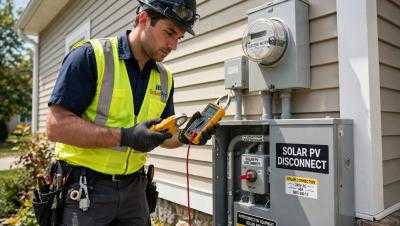
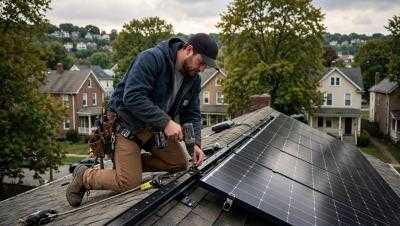
Nevada has more solar installed per head than any other state, but most of it is utility-scale plant in the desert rather than panels on houses. For a homeowner, the number that decides the economics is not the state's installed capacity — it is the percentage of the retail rate your utility credits you for the power you export, and in Nevada that percentage is fixed by statute and steps down over time.
Under NRS 704.7732, a customer who accepts a utility's net metering offer with a system of not more than 25 kilowatts is credited a share of the retail rate they would otherwise have paid. That share began at 95 percent and falls to 88, then 81, then 75 percent as cumulative enrolled capacity passes successive 80-megawatt thresholds. The tier is set by when your application is accepted, not by when you switch the system on, so the single most valuable question to ask is which tier is open on the day you apply and how much headroom is left in it. Ask NV Energy to confirm it in writing; the thresholds are tracked against statewide capacity and the Commission posts when each is reached.
Two further statutory details matter more than most installers mention. First, NRS 704.773 lets you continue net metering at the original location for 20 years, which is the real horizon to run your payback against. Second, and this is the one that catches people, NRS 704.775 lets excess credit carry forward indefinitely but pays you nothing for whatever is left over if the system stops operating, you leave the premises, or the system is transferred. Banked credit is not an asset you can sell with the house. That argues against deliberately oversizing an array to build a credit balance you do not expect to consume, and it argues for sizing to your own annual usage.
The state's demand driver is its portfolio standard, and the figures have moved a long way from the ones usually quoted. NRS 704.7821 now requires not less than 34 percent renewables for 2024 through 2026, 42 percent for 2027 through 2029, and not less than 50 percent for 2030 and every year after, alongside a statutory goal of zero-carbon electricity by 2050. Nevada voters wrote the 50 percent target into the constitution as well, so it is unusually durable as these mandates go.
On the incentive side, Nevada leans on exemptions and abatements rather than cash. Renewable energy systems carry a property tax exemption, there is a sales and use tax abatement and a property tax abatement for green buildings, and NV Energy runs an energy storage incentive worth checking if you are pairing a battery. Portfolio energy credits, interconnection standards and solar and wind easement laws round out the framework. If you are served by Valley Electric Association rather than NV Energy, note that it runs net billing on its own terms, not the NRS tiers.
Finally, the federal picture changed: the 30 percent residential clean energy credit under Section 25D was terminated for expenditures made after 31 December 2025 and no longer offsets a Nevada installation. See our federal credit page, the remaining federal programs, and the Nevada solar installers directory.
Verified 22 November 2026 against the Nevada Revised Statutes as published by the Legislative Counsel Bureau: NRS 704.7732 (credit percentages and 80 MW thresholds), NRS 704.771 (system size), NRS 704.773 (20-year term), NRS 704.775 (carry-forward and forfeiture) and NRS 704.7821 (portfolio standard). Which credit tier is currently open depends on enrolled capacity and is not fixed in statute; confirm it with your utility before signing.