
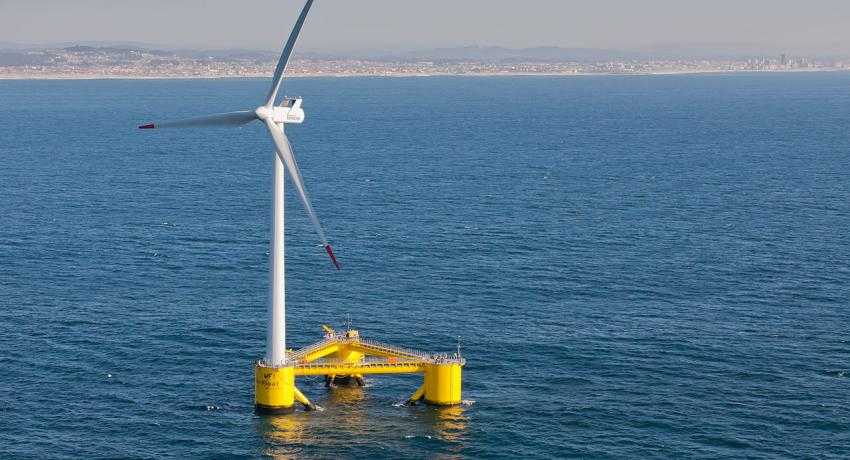
Driving through the cities and towns and catching sight of wind farms with gigantic turbines has become more common as wind energy gains consumers across the country. There has never been a doubt that wind energy is one of the renewable resources to use for electricity, regardless of the industry. Harnessing the power of the wind with just tools and technology is a boon that can keep on giving.
Offshore Wind Energy
When wind farms are stationed in water bodies, such as lakes and fjords, they are usually fixed in relatively shallow water. However, floating wind turbines can be used in deeper waters. In the last decade, offshore wind energy has gained momentum and offers greater capacities of energy.
From 2010, when the US Energy Information Agency confirmed that offshore wind energy is more expensive than all other energy sources, it has become much cheaper in the last few years which will combat higher energy costs. It is expected to face greater demand and, therefore, become even more affordable.
Positioning wind turbines offshore is common as the wind is stronger along the coasts and can easily meet the demands for electricity. However, the cost for foundation, installation, electrical connections, and maintenance remains high. The cost of the turbine itself is only one-third of the entire expense.
Floating Wind Turbine – Key Advantages
A floating wind turbine is also an offshore turbine, but it is secured on a floating surface that can go into deeper waters. They offer a greater area of the sea to harness the energy and offer more significant benefits.
- Floating wind systems rely less on large and expensive vessels needed for installation. While fixed wind turbines need heavy vessels to install the foundations and erect the turbines, the floating platform can be assembled and towed to the designated site using tugs and anchor handling vessels. Assembling various parts of the floating wind turbine in port reduces the reliance on weather conditions and saves time in getting the turbine operationally ready. Maintenance of the wind turbines in port reduces the need for extended crew staying offshore for necessary repairs. All these factors help reduce costs significantly.
- Environmentally speaking, installing wind turbines further offshore finds greater favor among local communities because the size of the turbines can obstruct the view, and noise pollution can disrupt the peace.
- Situating the wind turbines further offshore also safeguard the fish and marine mammals having minimal impact on the coastal ecosystem and the landscape.
- Better wind resources can be found in deeper waters because the winds blow stronger and are more consistent, thereby increasing the capacity by over 60%. Floating wind turbines rely less on seabed conditions and offer greater access to wind energy.
- Economically, building a floating wind turbine onshore offers a boost to the local supply chain, including welding, assembly, heavy lifts, electrical services, etc.
Key Takeaway
Offshore wind turbines are continuously evolving and offering greater access to wind energy, thereby having the potential to become an affordable alternative to other non-renewable energy sources. Floating wind turbines are expected to play a prominent role in meeting increasing demands of energy needs, just as solar panels do.