
State affected: California
California homeowners have one of the state's biggest remaining solar savings on a countdown.
Under California's property tax exclusion for solar and solar-plus-storage, a home solar system normally isn't counted as new construction for property tax purposes. That means the added value of the panels doesn't raise your assessed value while you own the home. That exclusion becomes inoperative on January 1, 2027 for newly completed systems.
Systems that already qualified stay excluded until the property changes ownership. The California State Board of Equalization confirmed the date in a letter to assessors on September 1, 2026.
What counts as "done" matters more than when you signed
Completion is tied to when the system is available for use, which assessors link to the final building inspection — not the contract date or when panels go on the roof.
So a system finished in December but not finally inspected until January would be treated as a 2027 system.
What it costs if you miss it
After 2027, only the solar system's value gets added to your assessment, not your whole home. At California's typical combined rate of about 1.1%, that works out to roughly $130 to $550 more per year depending on system size. For a mid-size 7 kW system, that's around $220 a year, or about $4,400 over 20 years if the value stays flat.
Batteries are included — if they're part of the solar system
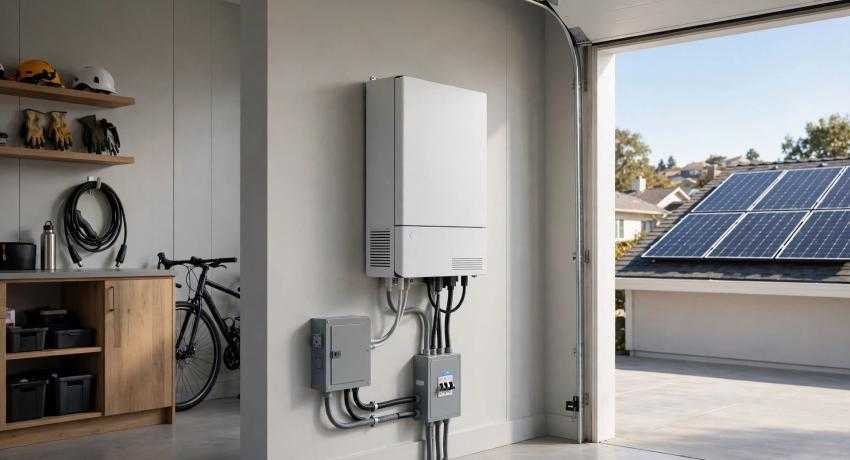
A battery installed as part of your solar system and inspected before the deadline is covered by the same exclusion. A standalone battery charged only from the grid is less clear, so homeowners should confirm with their county assessor.
Batteries can also help in other ways. See California's Self-Generation Incentive Program (SGIP) for batteries for storage incentives, and learn how home batteries can save money by charging at night and discharging at peak rates.
What this doesn't replace
California has no state solar income tax credit, and the 30% federal residential credit expired for systems installed after December 31, 2025. That makes the property tax exclusion the main state-level break still on the books — and the one with a hard end date.
An extension bill, AB 2389, was held in Assembly Appropriations on May 14, 2026 and did not pass. Homeowners shouldn't plan around a future bill that hasn't been written yet.
Homeowner checklist for this fall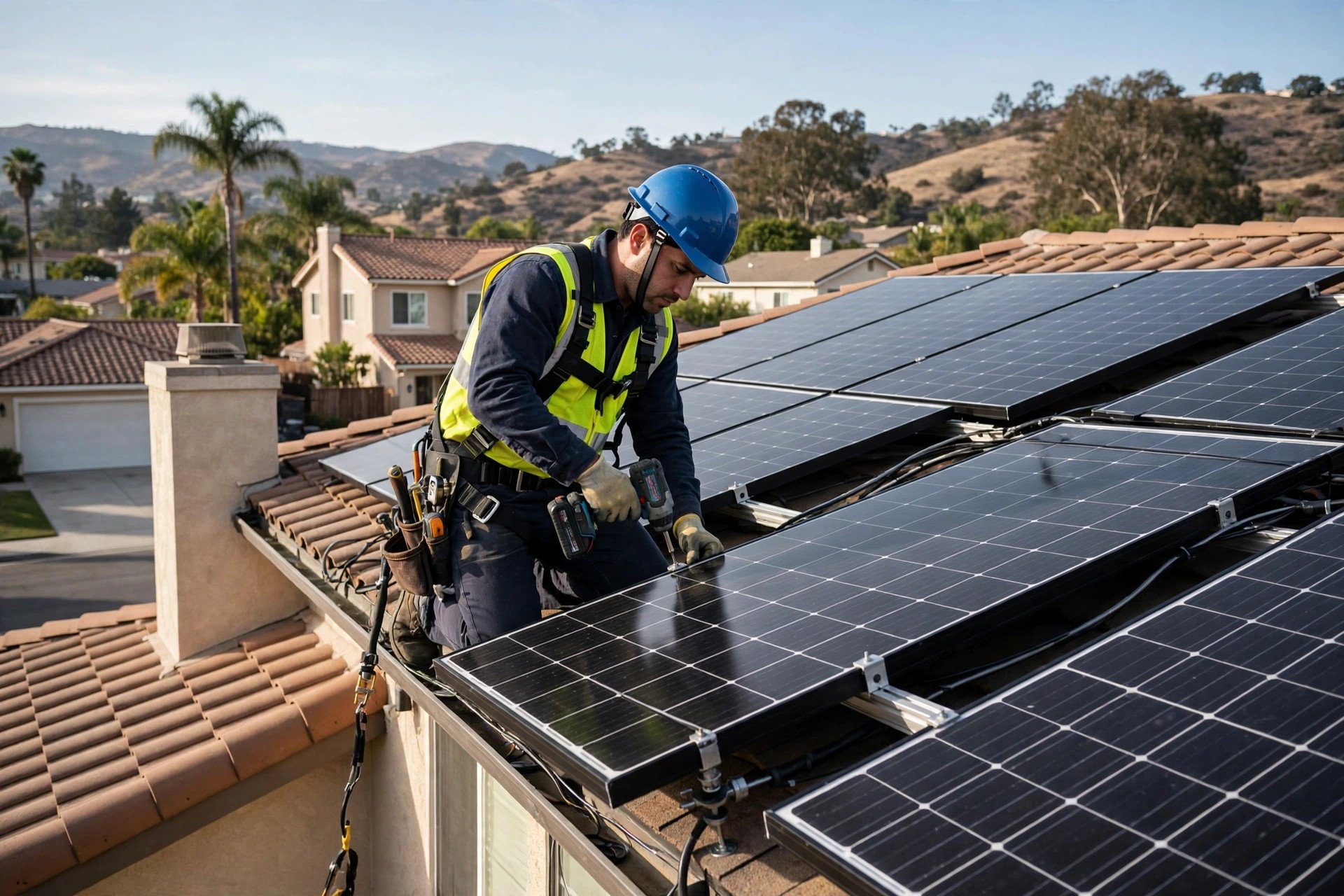
- If you're considering solar, ask installers for their realistic timeline to final inspection, not just installation.
- Book the final inspection the moment work finishes — December calendars fill fast.
- Keep your permit card, final inspection sign-off, and invoice together. If a supplemental bill includes your solar, those documents are what you show the assessor.
- If you're buying a newly built home with builder-installed solar, you may need to file Form BOE-64-SES. Starting in 2027, there's a 3-year filing window under AB 1516 or relief applies only from the filing year forward.
- Check California Solar Rights Act protections against HOA restrictions before you sign, so you know what an HOA can and can't block.
- To compare timelines and proposals, get a solar quote.
Bottom line: the tax break doesn't make or break solar in California, but missing the deadline by a few days could cost thousands over the life of the system. If you're on the fence, the inspection date is the deadline to plan around.
This is general information, not tax advice. Check with your county assessor or tax professional for your situation.
Source: California's Solar Property Tax Exemption and the Approaching Deadline